Looking for a SnoreRx Alternative? Here’s Why Snorple Is Worth a Look
If you’ve spent any time researching anti-snoring mouthpieces, chances are SnoreRx has crossed your radar. It’s a well-known name in the category, and for good reason — it’s a decent product. But “well-known” and “best fit for you” aren’t always the same thing, and plenty of people go looking for a SnoreRx alternative after running into one of its common sticking points: the boil-and-bite fitting process, the bulk of the device, or a price tag that climbs once you factor in replacement parts. If that sounds familiar, Snorple deserves a spot on your shortlist.
Why People Start Searching for Alternatives in the First Place
Nobody sets out to buy a second mouthpiece. Most people who search for a SnoreRx alternative have already tried something — maybe SnoreRx itself, maybe a generic mouthguard from a drugstore shelf — and found the fit uncomfortable or the results inconsistent. Snoring mouthpieces work by holding the lower jaw slightly forward, which keeps the airway from collapsing as the throat muscles relax during sleep. That’s a solid mechanism. The trouble is usually in the execution: a mouthpiece that’s too rigid digs into gums, one that’s too loose falls out halfway through the night, and one that doesn’t account for jaw advancement properly can leave you sore in the morning instead of well-rested.
What Makes Snorple Different
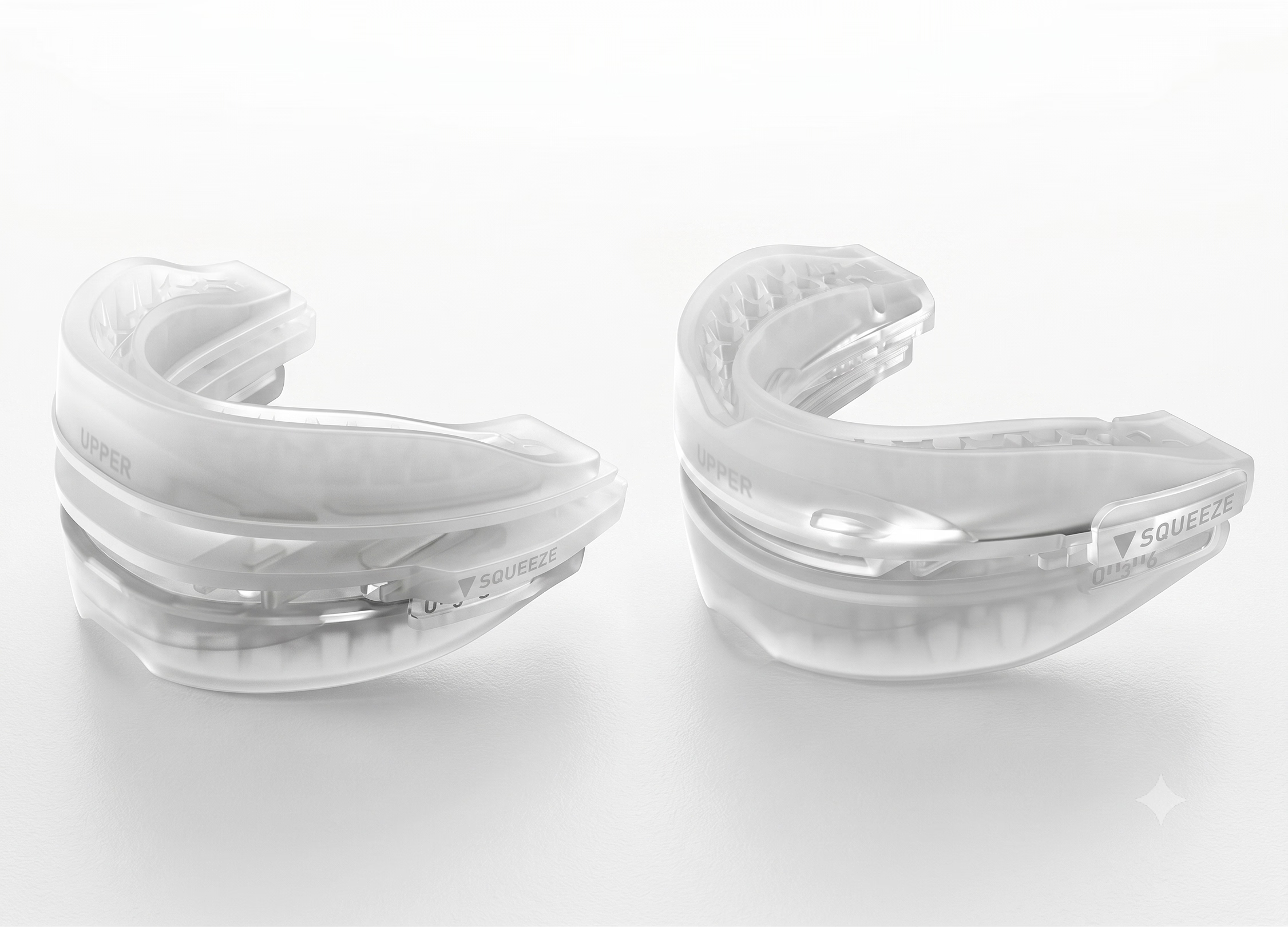
Snorple takes a two-step approach to fitting that sets it apart from most competitors, SnoreRx included. Instead of a single boil-and-bite session, Snorple uses a combination of hot water for the initial mold and a microwave-based process for fine-tuning the fit afterward. That second step matters more than it sounds like on paper — it means you’re not locked into whatever impression you got on the first try. If the fit feels slightly off after a night or two, you can adjust it again rather than starting over with a new device.
The material itself is a hybrid: firmer around the outside for structure, softer on the inside where it actually touches your teeth and gums. That combination tends to feel less like a hard plastic tray and more like something designed to actually sit in a human mouth for eight hours. For anyone who’s tried a stiffer mouthpiece and given up after a few nights, that difference alone can be the deciding factor.
Jaw advancement is also adjustable in small increments, which is a meaningful upgrade over one-size-fits-most designs. Snoring severity varies a lot from person to person, and a mouthpiece that only offers one or two settings often ends up either too aggressive or not effective enough. Being able to dial in the exact amount of forward movement means less trial and error and a better shot at actually sleeping through the night without the usual gasping, choking, or restless tossing that snorers and their partners both know too well.
The Couples’ Sleep Factor
It’s worth saying plainly: snoring is rarely a solo problem. Ask anyone who’s spent months on the couch, or whose partner has, and you’ll hear the same story — separate bedrooms, earplugs, apps that track snoring decibels out of sheer curiosity or desperation. A mouthpiece that actually works doesn’t just improve the snorer’s sleep quality; it changes the whole household’s nights. That’s part of why so many reviews and forum threads about SnoreRx alternatives circle back to comfort and adjustability above almost everything else. A device that gets worn consistently, night after night, is the one that actually solves the problem. One that ends up in a drawer after a week doesn’t, no matter how good the underlying design is on paper.
Where This Fits Alongside CPAP
For people with diagnosed moderate-to-severe sleep apnea, a CPAP machine prescribed by a doctor remains the standard of care, and nothing here is meant to suggest otherwise. But a large number of snorers don’t have sleep apnea at all — they simply snore, sometimes loudly enough to affect their own sleep architecture and almost always loudly enough to affect a partner’s. For that group, and for people with mild sleep apnea who’ve discussed mandibular advancement devices with their doctor, an oral appliance like Snorple is a reasonable, non-invasive place to start. It’s also a lot easier to travel with than a CPAP unit, which matters more than people expect until they’ve tried packing one for a work trip.
The Bottom Line
SnoreRx built a real reputation in this space, and it’s not a bad product. But if the boil-and-bite fit never felt quite right, if the bulk bothered you, or if you just want more room to adjust jaw advancement without buying a whole new device, Snorple is a genuinely worthwhile alternative to try. The two-step fitting process, the softer inner material, and the incremental adjustability all add up to a mouthpiece that’s easier to live with over the long run — and in this category, “easier to live with” is usually what separates a device that gets used from one that gets shoved in a nightstand drawer after a rough first week.
If snoring has been quietly wearing down your sleep, or your partner’s, it might be time to try something built around getting the fit right the second time, not just the first.
A Few Practical Things to Expect
If you do decide to switch, give yourself a week or two before judging results. Any new mouthpiece takes a few nights of adjustment — your jaw muscles and gums need time to get used to holding a slightly different position while you sleep, and it’s normal to notice mild jaw fatigue in the first few mornings that fades as you adapt. Keep the device clean with cool water and a soft brush rather than hot water or harsh cleaners, since heat can gradually warp the fit you worked to dial in. And if you share a bed, ask your partner for honest feedback after the first week; they’ll usually notice a change in your breathing patterns before you do, simply because they’re the one lying awake listening for it.
It’s also worth tracking how you feel during the day, not just how loud you were at night. Reduced snoring is the obvious win, but better airflow during sleep often shows up as fewer groggy mornings and less of that mid-afternoon slump. That’s the kind of change that’s easy to miss if you’re only measuring success by whether your partner complained before breakfast.