Application Mobile DualMedia: Complete Guide
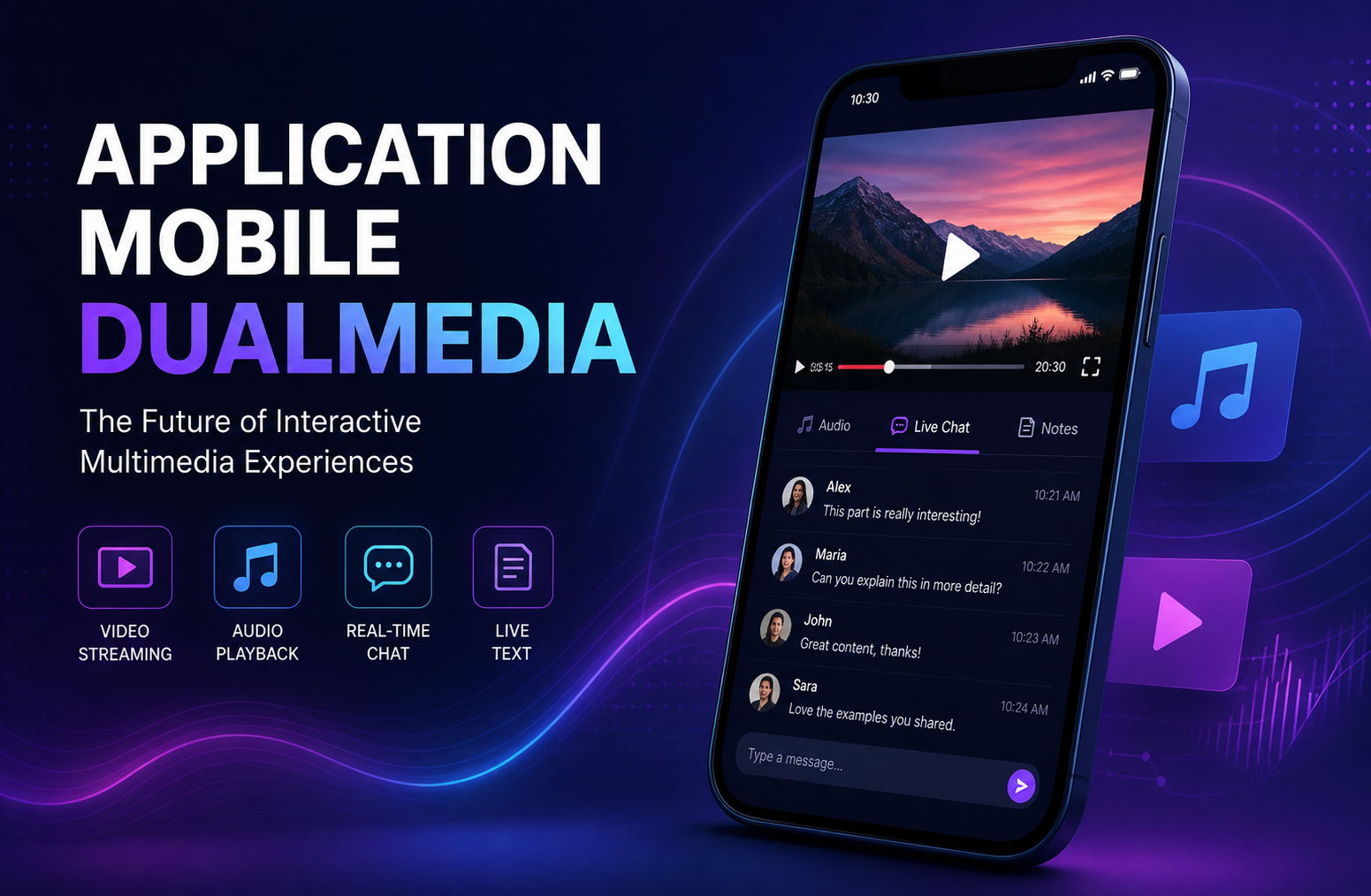
The term application mobile dualmedia is gaining attention as mobile technology evolves toward richer, more immersive user experiences. At its core, it refers to a mobile application designed to handle, display, or integrate two different types of media simultaneously, such as video and audio, text and images, or live streams combined with interactive content. As someone who has worked closely with mobile app content strategies and user experience design, I’ve seen how this concept is reshaping how users consume information and entertainment on their devices.
Instead of switching between apps or modes, users increasingly expect seamless multitasking within a single interface. This shift is not just a technical improvement but a behavioral change driven by modern digital consumption habits.
What Is Application Mobile DualMedia?
An application mobile dualmedia is a mobile app that allows users to engage with two media formats at the same time in a synchronized or complementary way.
Simple Definition
It is a mobile platform that merges two types of content into one cohesive experience.
Examples of DualMedia in Action
- Watching a video while reading related text commentary
- Listening to audio while viewing synchronized visuals
- Streaming live content with real-time chat overlays
- Educational apps combining lecture videos with interactive quizzes
This concept is widely used in entertainment, education, social media, and productivity apps.
Why DualMedia Applications Matter Today
The rise of dualmedia apps is not accidental. It reflects deeper changes in how users interact with digital content.
1. Changing User Behavior
Users today rarely consume content in isolation. Many people:
- Watch videos while reading comments
- Listen to podcasts while browsing visuals
- Engage with multiple forms of content simultaneously
Dualmedia apps cater directly to these multitasking habits.
2. Increased Engagement
From experience, apps that combine media types tend to:
- Keep users engaged longer
- Improve retention rates
- Encourage interaction
For example, adding interactive text to a video experience can significantly increase time spent on the app.
3. Efficiency and Convenience
Instead of switching between apps, users can:
- Access all relevant content in one place
- Save time
- Maintain focus
Key Features of an Effective DualMedia Mobile App
Not all dualmedia apps succeed. The difference often lies in execution.
Seamless Media Integration
The two media types must work together smoothly. Poor synchronization leads to frustration.
User-Friendly Interface
A cluttered interface defeats the purpose. Good design ensures:
- Clear layout
- Easy navigation
- Minimal distractions
Real-Time Synchronization
For apps involving live content, synchronization is critical. Delays between media streams can harm the experience.
Adaptive Performance
Dualmedia apps must handle:
- High data usage
- Multiple media streams
- Device limitations
Performance optimization is essential.
Real-World Applications of DualMedia Technology
Education and E-Learning
One of the most impactful uses of application mobile dualmedia is in education.
Students benefit from:
- Video lectures paired with notes
- Interactive quizzes during lessons
- Visual aids alongside explanations
This approach improves understanding and retention.
Research from educational institutions highlights how multimedia learning enhances comprehension when used correctly.
Entertainment and Streaming
Streaming platforms often use dualmedia features such as:
- Subtitles with video
- Behind-the-scenes commentary
- Interactive overlays
These features deepen user engagement.
Social Media Platforms
Modern social apps integrate:
- Live video with chat
- Image posts with audio clips
- Stories combining text, music, and visuals
This creates richer user interactions.
News and Information Apps
News platforms use dualmedia to present:
- Video reports with written summaries
- Infographics alongside articles
- Live updates with visual context
Benefits of Using an Application Mobile DualMedia
Enhanced Learning Experience
Combining media types helps users understand complex topics more easily.
Higher Engagement Levels
Users spend more time interacting with content.
Improved Accessibility
Dualmedia apps can support different learning styles:
- Visual learners
- Auditory learners
- Reading-focused users
Better Content Retention
Studies consistently show that multi-format content improves memory retention.
Challenges and Limitations
Despite its advantages, dualmedia technology comes with challenges.
Technical Complexity
Developing a dualmedia app requires:
- Advanced synchronization systems
- Efficient data handling
- Strong backend infrastructure
Performance Issues
Running multiple media streams can:
- Drain battery
- Consume more data
- Slow down devices
Design Challenges
Balancing two media types without overwhelming the user is difficult.
Content Quality Balance
Both media elements must add value. If one is weak, the entire experience suffers.
How to Build an Application Mobile DualMedia
Based on real-world development workflows, here’s a practical approach.
Step 1: Define the Purpose
Ask:
- What problem does the app solve?
- Why combine these two media types?
Clear intent guides development.
Step 2: Choose the Right Media Pair
Common combinations include:
- Video + text
- Audio + visuals
- Live stream + chat
Select based on user needs.
Step 3: Focus on UX Design
Ensure:
- Clean layout
- Easy switching between media
- Minimal distractions
Step 4: Implement Synchronization
This is the core challenge. Developers must:
- Align timing between media streams
- Handle buffering issues
- Ensure smooth playback
Step 5: Optimize Performance
Key considerations:
- Compress media files
- Use adaptive streaming
- Optimize for different devices
Step 6: Test with Real Users
User testing reveals:
- Usability issues
- Performance problems
- Engagement patterns
Best Practices for DualMedia App Success
Keep It Simple
Avoid overloading users with too many features.
Prioritize Speed
Fast loading times are critical.
Focus on Value
Each media type must serve a purpose.
Continuously Improve
Use analytics to:
- Track user behavior
- Identify drop-off points
- Improve features
SEO and Content Strategy for DualMedia Apps
If you are promoting an application mobile dualmedia, content strategy matters.
Target User Intent
Focus on what users want:
- Learning
- Entertainment
- Productivity
Use Natural Language
Avoid keyword stuffing. Use related phrases naturally.
Provide Real Value
Content should:
- Solve problems
- Answer questions
- Offer insights
Internal Linking Suggestions
You can link to:
- A guide on mobile app development
- A comparison of multimedia apps
- A UX design best practices article
Future Trends in DualMedia Mobile Applications
AI Integration
Artificial intelligence will enhance:
- Content personalization
- Media synchronization
- User recommendations
Augmented Reality
AR will combine real-world visuals with digital media.
5G and Beyond
Faster networks will improve:
- Streaming quality
- Real-time interactions
- Multi-media performance
Voice and Gesture Controls
Users will interact with dualmedia apps more naturally.
Frequently Asked Questions
What is an application mobile dualmedia?
It is a mobile app that integrates two types of media, such as video and text, into one seamless user experience.
Why are dualmedia apps popular?
They match modern user behavior, improve engagement, and provide richer content experiences.
Are dualmedia apps difficult to develop?
Yes, they require advanced synchronization, strong performance optimization, and thoughtful design.
Can dualmedia apps improve learning?
Yes, combining visual and auditory content helps users understand and retain information better.
What industries benefit most from dualmedia apps?
Education, entertainment, social media, and news platforms benefit significantly.
Conclusion
The evolution of mobile technology has made the application mobile dualmedia concept not just relevant but essential. By combining multiple media types into a unified experience, these applications meet the demands of modern users who expect efficiency, engagement, and convenience.
From education to entertainment, dualmedia apps are redefining how content is consumed. However, success in this space requires more than just combining media. It demands thoughtful design, technical expertise, and a deep understanding of user behavior.
As digital consumption continues to evolve, the role of dualmedia applications will only grow stronger, making them a critical focus for developers, businesses, and content creators alike.