Bebenelle: A China-Based Shoe Manufacturer Built for Kids’ Footwear, Women’s Styles, and Private Label Growth
Finding a shoe factory that actually understands children’s footwear is harder than it sounds. Kids’ feet change fast, safety standards vary by market, and parents notice sloppy stitching the moment a shoe gets its first spring puddle. Bebenelle has spent years working through exactly those problems, building a factory operation in China that produces kids’ shoes, women’s footwear, and custom OEM/ODM lines for brands and retailers around the world.
A Manufacturer That Grew Up Around Small Feet
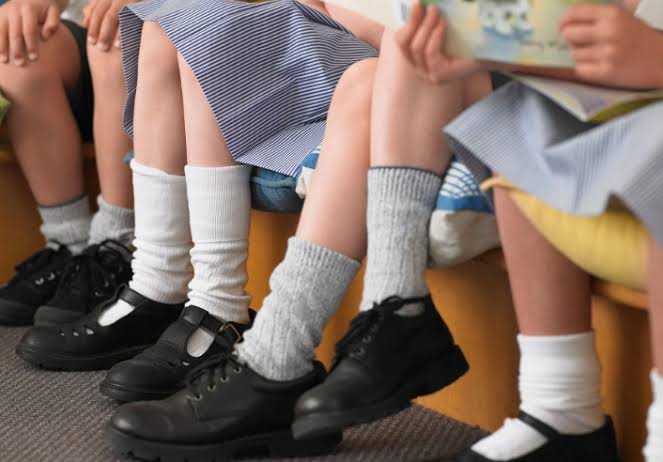
Bebenelle didn’t start as a general footwear supplier that happened to add a kids’ line later. Children’s shoes are the core of the business, and it shows in the details a lot of larger factories skip over. Toe boxes get shaped with room for growth rather than a straight scale-down of an adult last. Sole compounds get tested for grip on wet tile and playground rubber, not just showroom flooring. Closures — velcro straps, elastic laces, easy-pull tabs — are chosen with an eye toward what a tired parent can manage at 7 a.m., not what looks best in a catalog photo.
That focus carries through the size range too. Rather than treating infant, toddler, and older-kid shoes as one continuous product, the factory runs separate development for each stage, since a first-walker shoe and a shoe for an eight-year-old solve completely different problems.
Women’s Footwear Runs on the Same Line
Alongside kids’ shoes, Bebenelle produces women’s footwear — casual flats, sneakers, sandals, and seasonal styles that retailers can slot into an existing catalog without waiting on a separate factory relationship. Having both categories under one roof matters more than it might seem at first glance. A retailer selling children’s shoes often wants a matching or complementary women’s line, and sourcing both from a single factory cuts down on the back-and-forth of managing two supplier timelines, two sets of quality standards, and two shipping schedules.
OEM and ODM Work, Without the Guesswork
For brands that already have a design locked in, Bebenelle’s OEM service takes a spec sheet or sample and turns it into a production run — matching materials, colorways, and construction as closely as the original intent requires. For teams that have a concept but not a finished pattern, the ODM side of the business fills in the engineering: pattern-making, last selection, material sourcing, and sample rounds until the shoe is ready for bulk production.
Minimum order quantities, sampling timelines, and material options tend to vary by style and season, so brands are usually better off getting a direct quote for their specific design rather than assuming a one-size-fits-all price sheet applies. What stays consistent is the workflow: sample approval, a pre-production check, then full manufacturing with quality control built into each stage rather than bolted on at the end.
Private Label Without the Steep Learning Curve
Private label manufacturing is where a lot of smaller footwear brands get stuck — not because the idea is complicated, but because most factories are built for buyers who already know exactly what they want. Bebenelle’s private label option is set up to work with brands earlier in that process, offering existing last shapes and construction templates that can be customized with a brand’s own colors, materials, and packaging rather than requiring a fully original design from day one.
That approach shortens the runway between an idea and a sellable product, which matters most for newer brands trying to get a first collection to market without overcommitting on tooling costs before demand is proven.
Why the China Manufacturing Base Still Matters
China’s footwear manufacturing clusters have built up decades of specialized labor, material suppliers, and component factories sitting within a short drive of each other. That density is a big part of why a company like Bebenelle can move from sample to shipped order without the delays that come from sourcing soles from one region and uppers from another. For overseas buyers, it also tends to mean more competitive pricing on mid-to-large production runs without giving up consistency in sizing or finish.
Working With Bebenelle
Whether the goal is a full kids’ shoe line, a women’s footwear collection, an OEM run of an existing design, or a private label launch built around Bebenelle’s templates, the starting point is the same: share the product idea, target market, and rough order volume, and the team can map out timelines and sample costs from there. For a closer look at current product lines and to start a quote, visit Bebenelle directly.