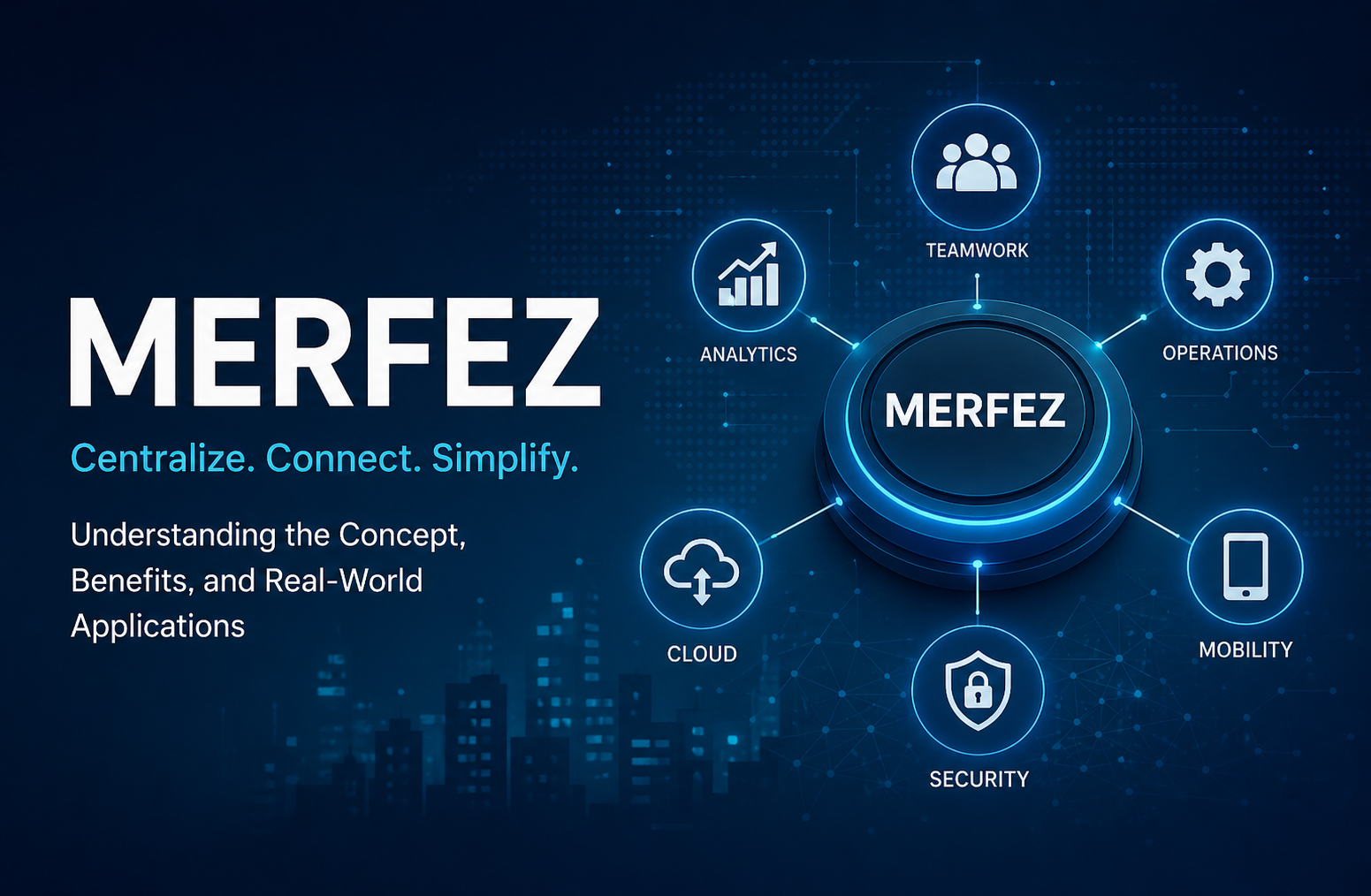
Merfez: Meaning, Uses, Benefits, and Practical Insights
Understanding emerging or less commonly discussed terms can be challenging, especially when they appear across different contexts with limited clear explanation. The keyword merfez is one such term. Depending on how and where it is used, it can represent a concept, a brand identity, a system, or even a niche terminology within a specific field.
This article takes a deep, research-driven approach to unpack what merfez means, how it is used, why it matters, and how individuals or businesses can apply it effectively. Instead of repeating vague definitions, the focus here is on clarity, practical understanding, and real-world relevance.
What Is Merfez?
At its core, merfez does not have a universally standardized definition in mainstream academic or industrial literature. This makes it important to approach the term contextually rather than rigidly.
In many cases, it appears to be used in one of the following ways:
- As a brand name or business identity
- As a platform or service-related concept
- As a term derived from linguistic roots, potentially meaning “center,” “hub,” or “focus point” in certain languages
Because of this ambiguity, the meaning often depends on intent and usage rather than a fixed dictionary definition.
Contextual Interpretation
From practical observation, merfez is commonly associated with ideas such as:
- Centralization
- Connectivity
- Resource management
- Digital or organizational hubs
For example, in a business setting, it could represent a centralized platform where operations, communication, or data converge.
Why Understanding Merfez Matters
Even though it may not be a globally standardized term, understanding merfez is valuable for several reasons:
1. Growing Digital and Branding Relevance
Modern businesses often create unique names for platforms or services. These names carry meaning within their ecosystems, and merfez fits into that trend.
2. Conceptual Flexibility
Unlike rigid technical terms, merfez adapts across industries. This flexibility allows it to represent:
- A system architecture
- A service hub
- A collaborative environment
3. Strategic Application
If used correctly, it can serve as a powerful conceptual framework for:
- Centralizing operations
- Improving workflow efficiency
- Enhancing user experience
Core Characteristics of Merfez
To understand how it functions in practice, it helps to break down its defining traits.
Centralization
The most consistent idea tied to merfez is centralization. It often represents a single point of access or control.
Examples include:
- A dashboard managing multiple services
- A platform connecting users and resources
- A hub for communication and data
Integration
Another key characteristic is integration. Instead of working in isolation, systems labeled or designed as merfez typically:
- Combine multiple tools
- Synchronize workflows
- Reduce fragmentation
Accessibility
Ease of use is often a priority. A well-designed system or concept under this term should:
- Be intuitive
- Offer quick access to essential features
- Reduce complexity
Scalability
Because it often acts as a central hub, scalability is crucial. This means:
- It can grow with user needs
- It supports increasing data or traffic
- It adapts to evolving requirements
Real-World Applications of Merfez
Even without a fixed definition, the concept behind merfez appears in multiple practical scenarios.
1. Business Operations
Organizations frequently adopt centralized systems to streamline processes. In this context, merfez can represent:
- A management dashboard
- A resource allocation system
- A centralized CRM platform
Example
A company managing multiple departments may use a central hub where:
- Sales data
- Marketing analytics
- Customer interactions
are all accessible in one place.
2. Technology Platforms
In digital ecosystems, central hubs are essential. Here, merfez could describe:
- A cloud-based service platform
- A multi-tool application interface
- A user control panel
These systems reduce the need to switch between multiple tools, improving efficiency.
3. Education and Learning Systems
Educational institutions increasingly rely on centralized platforms.
In this scenario, merfez might function as:
- A student portal
- A learning management system
- A content distribution hub
Students and teachers can access:
- Course materials
- Assignments
- Communication tools
all from one interface.
4. E-commerce and Digital Services
Online businesses often build centralized systems for managing:
- Orders
- Inventory
- Customer service
Using a unified hub reduces operational complexity and enhances customer satisfaction.
5. Community and Collaboration Platforms
In collaborative environments, a central hub is essential for communication and coordination.
This includes:
- Team collaboration tools
- Online communities
- Project management systems
Benefits of Using a Merfez-Based Approach
Adopting a centralized or hub-based model offers multiple advantages.
Improved Efficiency
When everything is accessible from one place:
- Time is saved
- Tasks are completed faster
- Redundancy is reduced
Better Decision-Making
Centralized data allows for:
- Clear insights
- Real-time analytics
- More informed decisions
According to research published by the centralization can significantly improve organizational performance when implemented correctly.
Enhanced User Experience
Users benefit from:
- Simplified interfaces
- Reduced learning curves
- Faster access to tools
Cost Reduction
Managing fewer systems often leads to:
- Lower maintenance costs
- Reduced training expenses
- Improved resource allocation
Challenges and Limitations
While the concept is powerful, it is not without challenges.
Over-Centralization Risks
Too much centralization can lead to:
- Bottlenecks
- Reduced flexibility
- System dependency
If the central hub fails, the entire system may be affected.
Complexity in Implementation
Building a centralized system requires:
- Strong technical infrastructure
- Careful planning
- Skilled personnel
Security Concerns
Centralized systems can become attractive targets for cyber threats.
Key risks include:
- Data breaches
- Unauthorized access
- System vulnerabilities
Scalability Issues
If not designed properly, a system may struggle to handle growth.
How to Implement a Merfez Model Effectively
Applying this concept successfully requires a structured approach.
Step 1: Define Objectives
Start by identifying:
- What needs to be centralized
- Why it is necessary
- What outcomes are expected
Step 2: Choose the Right Tools
Select platforms or technologies that support:
- Integration
- Scalability
- Security
Step 3: Design for Users
Focus on usability:
- Simple interfaces
- Clear navigation
- Minimal complexity
Step 4: Ensure Data Security
Implement:
- Encryption
- Access controls
- Regular audits
Step 5: Test and Optimize
Before full deployment:
- Run pilot tests
- Gather feedback
- Make improvements
Best Practices for Long-Term Success
To maintain effectiveness over time, follow these principles.
Keep It Flexible
Avoid rigid structures. Systems should adapt to:
- Changing business needs
- Technological advancements
Monitor Performance
Regularly evaluate:
- System efficiency
- User satisfaction
- Operational impact
Update Continuously
Technology evolves quickly. Keep systems updated to:
- Improve functionality
- Enhance security
- Maintain relevance
Train Users
Ensure that users understand:
- How to use the system
- Best practices
- Key features
Common Misconceptions
Understanding what merfez is not can be just as important.
1. It Is Not Just a Tool
It represents a concept or system, not a single application.
2. It Is Not Always Digital
While often associated with technology, it can also apply to:
- Organizational structures
- Physical systems
3. It Does Not Eliminate Complexity Entirely
It reduces complexity but does not remove it completely.
Future Outlook
As industries continue to evolve, centralized systems will become even more important.
Emerging trends include:
- AI-driven hubs
- Automated workflows
- Integrated digital ecosystems
The idea behind merfez aligns closely with these developments, making it increasingly relevant.
FAQs
What does merfez mean?
It generally refers to a central hub, system, or concept depending on context. Its meaning is not fixed and varies by usage.
Is merfez a software or a concept?
It can be both. In some cases, it represents a system or platform, while in others it describes a broader idea of centralization.
Where is merfez commonly used?
It appears in business systems, technology platforms, education portals, and collaborative environments.
What are the main benefits?
Key advantages include improved efficiency, better data management, enhanced user experience, and reduced operational costs.
Are there any risks?
Yes. Risks include over-centralization, security vulnerabilities, and implementation complexity.
How can I apply this concept?
Start by identifying areas that can benefit from centralization, choose appropriate tools, and design a user-friendly system.
Conclusion
The concept of merfez revolves around centralization, integration, and efficiency. While it may not have a universally fixed definition, its practical value lies in how it is applied across different fields.
By focusing on user needs, maintaining flexibility, and addressing potential risks, individuals and organizations can leverage this approach to create more streamlined and effective systems.